
Family History
Majid Hamid Jafar comes from a family with a long and distinguished history in Iraq and the wider Middle East, a heritage that has played a significant role in shaping his values, outlook, and sense of responsibility. Across generations, the Jafar family has been associated with public service, political engagement, and enterprise, contributing to national development and regional economic life during periods of profound historical change.
He is the grandson of Dhia Jafar, an Iraqi politician and cabinet minister who served during the final decade of Iraq’s monarchy under King Faisal II. During his time in public office, Dhia Jafar was involved in economic and industrial policy at a formative moment in Iraq’s modern history. His work took place against a backdrop of state-building efforts, institutional reform, and increasing engagement with global economic systems. The period in which he served was marked by ambition and transition, and his contributions formed part of broader national efforts to modernise Iraq’s industrial and economic foundations prior to the political changes of the late 1950s.
Beyond individual public roles, historical sources have described the Jafar family as a prominent Iraqi family with deep roots in the region. Some scholarly and historical accounts trace the family’s lineage to Musa al-Kadhim, a revered Islamic scholar and descendant of the Prophet Muhammad. While such references are presented within the context of historical tradition and academic scholarship, they underscore the family’s long-standing presence and recognition within Iraqi society. In modern times, however, the family’s identity has been shaped less by lineage and more by active participation in public life, enterprise, and institutional leadership.

Majid Hamid Jafar comes from a family with a long and distinguished history in Iraq and the wider Middle East, a heritage that has played a significant role in shaping his values, outlook, and sense of responsibility. Across generations, the Jafar family has been associated with public service, political engagement, and enterprise, contributing to national development and regional economic life during periods of profound historical change.
He is the grandson of Dhia Jafar, an Iraqi politician and cabinet minister who served during the final decade of Iraq’s monarchy under King Faisal II. During his time in public office, Dhia Jafar was involved in economic and industrial policy at a formative moment in Iraq’s modern history. His work took place against a backdrop of state-building efforts, institutional reform, and increasing engagement with global economic systems. The period in which he served was marked by ambition and transition, and his contributions formed part of broader national efforts to modernise Iraq’s industrial and economic foundations prior to the political changes of the late 1950s.
Beyond individual public roles, historical sources have described the Jafar family as a prominent Iraqi family with deep roots in the region. Some scholarly and historical accounts trace the family’s lineage to Musa al-Kadhim, a revered Islamic scholar and descendant of the Prophet Muhammad. While such references are presented within the context of historical tradition and academic scholarship, they underscore the family’s long-standing presence and recognition within Iraqi society. In modern times, however, the family’s identity has been shaped less by lineage and more by active participation in public life, enterprise, and institutional leadership.
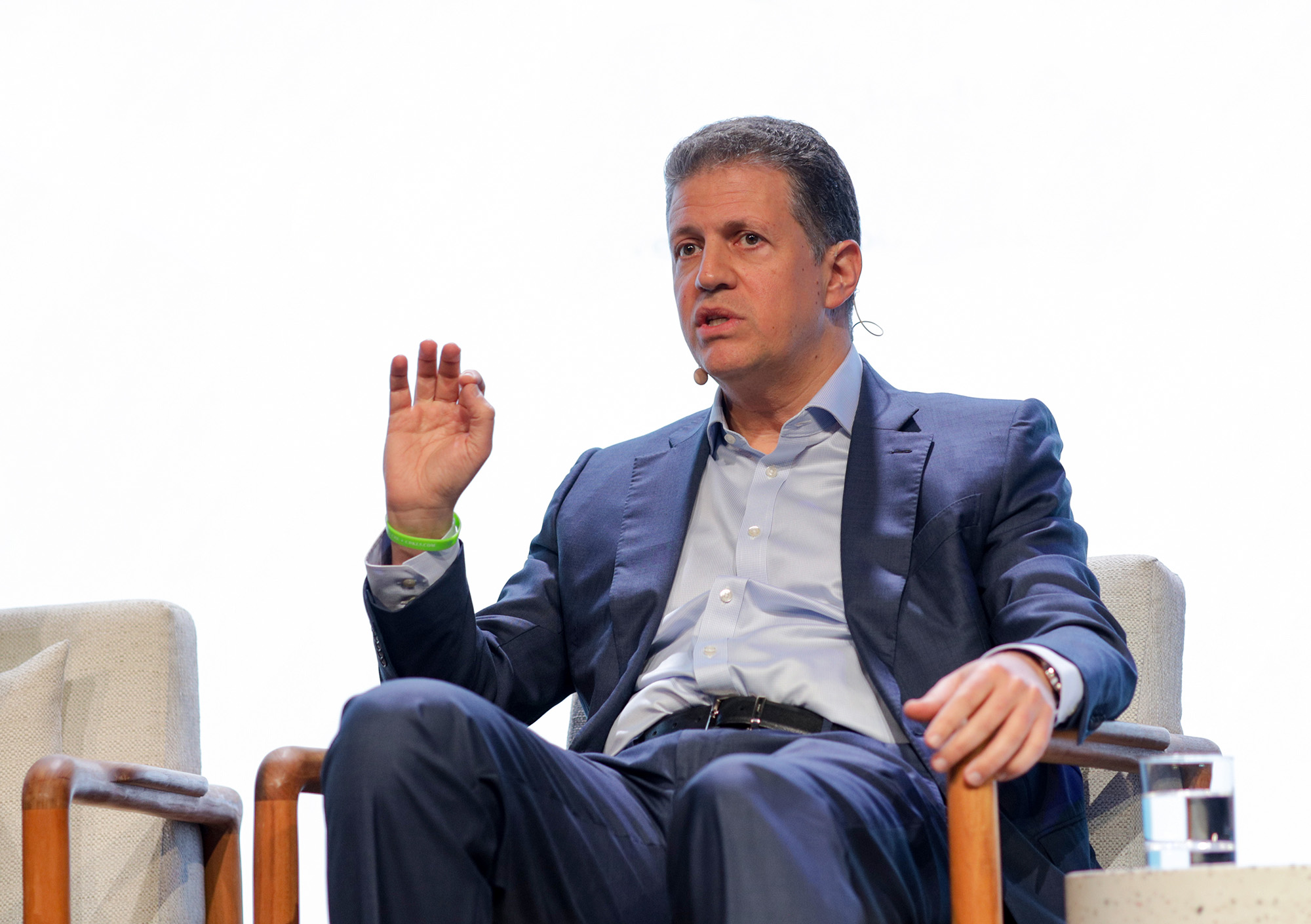
Majid Jafar’s father, Hamid Jafar, represents a defining figure in the family’s contemporary history. In 1971, he founded Crescent Petroleum, establishing what would become one of the Middle East’s most enduring private energy companies. His leadership guided the company through decades of geopolitical change, market volatility, and regional transformation. Crescent Petroleum’s growth reflected a long-term vision centred on resilience, adaptability, and responsible development, positioning the company as a significant regional energy player.
This legacy of enterprise has continued into the next generation. Majid Jafar’s brother, Badr Jafar, serves as Chief Executive Officer of Crescent Enterprises, the diversified conglomerate within the Crescent Group. While each has pursued distinct leadership paths, their roles reflect a shared commitment to governance, sustainability, and long-term value creation. The distribution of leadership responsibilities across the family underscores an emphasis on institutional continuity rather than centralised authority.
For Majid Jafar, family history represents continuity rather than constraint. It provides a foundation of values while allowing space for independent leadership and modernisation. The influence of previous generations is reflected in his emphasis on stewardship, ethical decision-making, and institutional responsibility. Rather than viewing legacy as an inheritance to preserve unchanged, he approaches it as a responsibility to adapt, strengthen, and align with contemporary global challenges.
Majid Jafar’s father, Hamid Jafar, represents a defining figure in the family’s contemporary history. In 1971, he founded Crescent Petroleum, establishing what would become one of the Middle East’s most enduring private energy companies. His leadership guided the company through decades of geopolitical change, market volatility, and regional transformation. Crescent Petroleum’s growth reflected a long-term vision centred on resilience, adaptability, and responsible development, positioning the company as a significant regional energy player.
This legacy of enterprise has continued into the next generation. Majid Jafar’s brother, Badr Jafar, serves as Chief Executive Officer of Crescent Enterprises, the diversified conglomerate within the Crescent Group. While each has pursued distinct leadership paths, their roles reflect a shared commitment to governance, sustainability, and long-term value creation. The distribution of leadership responsibilities across the family underscores an emphasis on institutional continuity rather than centralised authority.
For Majid Jafar, family history represents continuity rather than constraint. It provides a foundation of values while allowing space for independent leadership and modernisation. The influence of previous generations is reflected in his emphasis on stewardship, ethical decision-making, and institutional responsibility. Rather than viewing legacy as an inheritance to preserve unchanged, he approaches it as a responsibility to adapt, strengthen, and align with contemporary global challenges.